

Perimenopause & Menopause
You're not imagining it.
And you're not alone.
Waking at 2–4am every night despite being exhausted. A mind that feels foggy, with difficulty concentrating or finding words. Irritability and hot flashes. A body that seems to be changing faster than you can keep up with. If you've been told your labs are normal, or that this is just part of getting older, you deserve a second opinion, and a provider who specializes in exactly this.
This transition deserves a specialist.
Perimenopause
Perimenopause can begin in your late 30s, years before your period actually stops. It often looks like:
Most women spend years describing these symptoms to providers who attribute them to stress, anxiety, or aging.
For some women, these symptoms aren't perimenopause at all, they're primary ovarian insufficiency (POI), a distinct condition that affects women under 40 and is frequently missed, misdiagnosed, or dismissed entirely. Getting the right diagnosis changes everything about how you're treated.
Menopause & postmenopause
Menopause is confirmed after 12 consecutive months without a period, but for many, the symptoms don't stop there:
These can persist for years into postmenopause and carry real implications for bone density, cardiovascular health, and long-term wellbeing.
Whether you're newly postmenopausal or years beyond, evidence-based care at this stage is not optional, it's one of the most important investments you can make in your long-term health.
Most providers never receive real training in this stage of life.
A national survey of OB-GYN residents found that only about 7% felt prepared to manage menopausal patients, and only a third graduated without a single lecture on the subject. That gap doesn't close after residency, either. Unless a provider seeks out additional training on their own, menopause care often stays a small, under-taught part of a much broader scope of practice.
At Good Energy Women's Health, POI, perimenopause, and menopause are not a footnote. This is our clinical specialty. We take the time to understand your full picture, explain what's actually happening in your body, and build a care plan that reflects your symptoms, your values, and your long-term health goals.

Additional hours of menopause training completed by Sarah.
A credential requiring dedicated study and a national exam beyond standard licensure, held by only a handful of providers in all of Kane County.
What we address
We provide evidence-based care for the full spectrum of POI, perimenopause, and menopause experiences, including:
Your provider
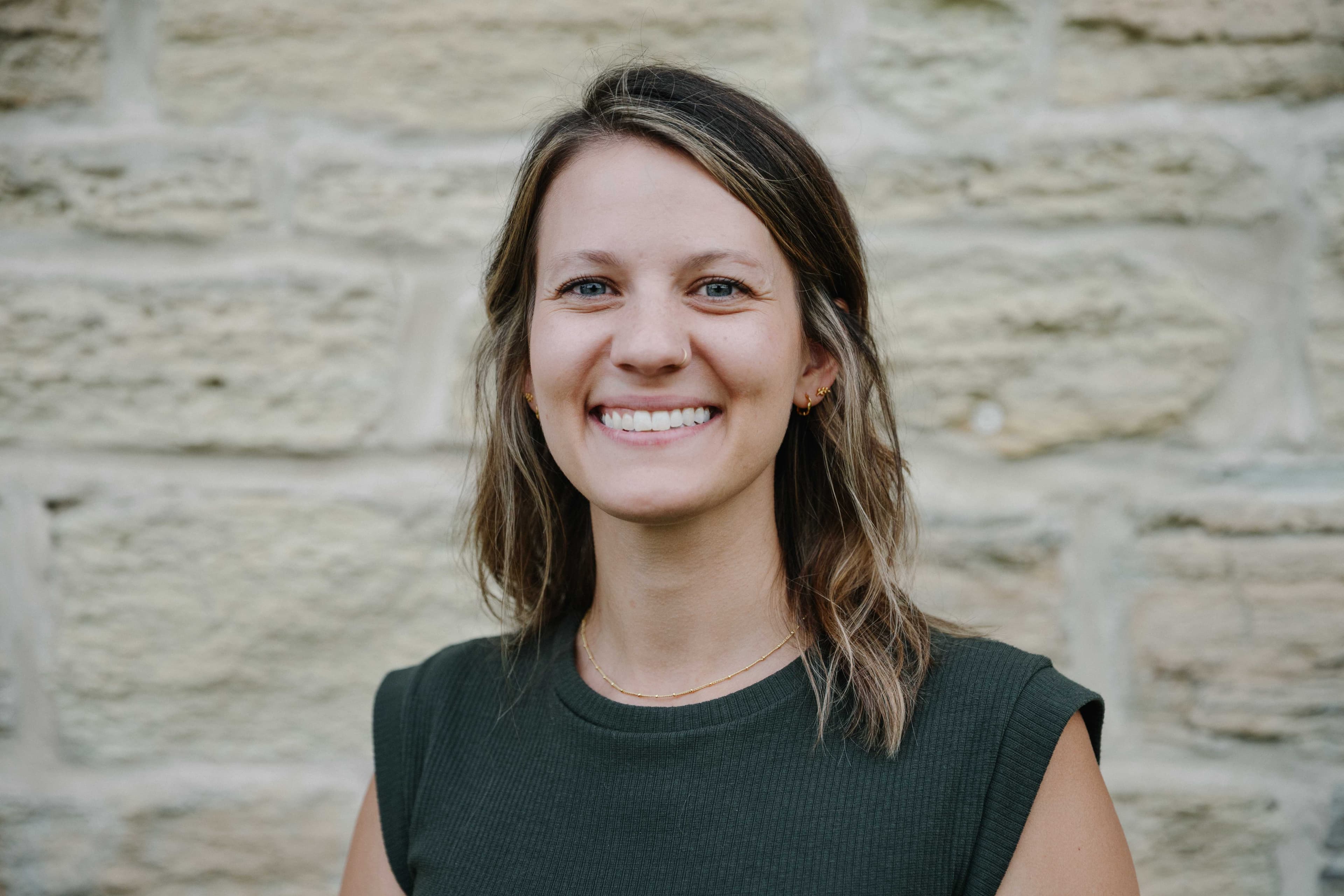
Sarah Stetina, MSN, CNM, APRN-FPA, MSCP
Sarah is a Certified Nurse Midwife and Menopause Society Certified Practitioner with specialized expertise in perimenopause and menopause care. She brings deep clinical knowledge of hormonal health, HRT and MHT, and whole-person midlife care — and the time and curiosity to actually use it.
Your questions, answered
What is perimenopause, and what does it feel like?
Perimenopause is the hormonal transition leading up to menopause. It can begin anywhere from the late 30s to mid-40s and typically lasts 4–10 years. Symptoms vary widely but often include cycle changes, sleep disruption, mood shifts, and vasomotor symptoms like hot flashes. These symptoms are common, and for many women, genuinely disruptive to daily life, work, and relationships. The good news: there are many effective treatment options, and you don't have to just manage through it.
What is primary ovarian insufficiency (POI), and how is it different from early menopause?
Primary ovarian insufficiency occurs when the ovaries stop functioning normally before age 40, affecting hormone production, fertility, and long-term health in ways that require specific evaluation and care. It is often confused with early menopause, but they are not the same thing. Women with POI may still have occasional periods and, in some cases, can still conceive. It is frequently missed or misattributed to stress, thyroid issues, or simply “running low” on hormones. If you are under 40 and experiencing symptoms consistent with hormonal changes, you deserve a thorough workup and prompt treatment to help protect your long-term health.
Is menopause hormone therapy safe?
For most healthy women under 60 or within 10 years of menopause onset, current evidence supports that MHT is safe and effective. For many women, it significantly improves quality of life and long-term health outcomes. The risks associated with a 2002 study have been substantially recontextualized by more than two decades of subsequent research. We'll review your personal history and help you understand what the evidence actually says for your situation.
Do I need to be a certain age to be seen for perimenopause symptoms?
No. Perimenopause is defined by symptoms and hormonal changes, not by age. If you're experiencing symptoms consistent with perimenopause, regardless of how young you feel it's happening, you deserve an evaluation.
What's the difference between perimenopause and menopause?
Perimenopause is the transition period — it ends when you've gone 12 consecutive months without a period. That point is menopause. Postmenopause refers to all the years that follow. Care looks different at each stage, and we provide support across all of them.
Do you offer virtual care for menopause?
Yes. Virtual visits are available for most perimenopause and menopause concerns for clients located anywhere in Illinois.
What is a Menopause Society Certified Practitioner (MSCP), and how do I find one?
The MSCP credential is awarded by the Menopause Society to providers who demonstrate advanced knowledge in menopause medicine. It represents a higher level of specialized training than most general OB-GYN or primary care providers hold. Sarah Stetina holds this credential, and is one of only a few in Kane County. All Menopause Society Certified Practitioners are listed on the Menopause Society website.