

PCOS
PCOS is more than irregular periods.
And you deserve more than a one-size-fits-all answer.
Polycystic ovary syndrome, recently renamed Polyendocrine Metabolic Ovarian Syndrome (PMOS), is one of the most common hormonal conditions affecting women, and one of the most inconsistently treated. We provide individualized, evidence-based PCOS care that addresses the full picture: your cycles, your hormones, your metabolic health, and your goals.
Too many folks with PCOS leave their appointments with more questions than answers.
PCOS is frequently diagnosed by exclusion, undertreated with a single prescription, and rarely explained in a way that helps you actually understand what's happening in your body.
You may have been told to lose weight, handed a birth control prescription, and sent home, without a conversation about insulin resistance, long-term health implications, or what your options actually are.
PCOS looks different for every person who has it. Effective care has to reflect that.
At Good Energy, we take the time to understand your specific presentation, your symptoms, your labs, your history, and your goals, and build a care plan that addresses the root causes, not just the surface concerns.
What we address
We provide comprehensive, individualized PCOS care including:
Your providers
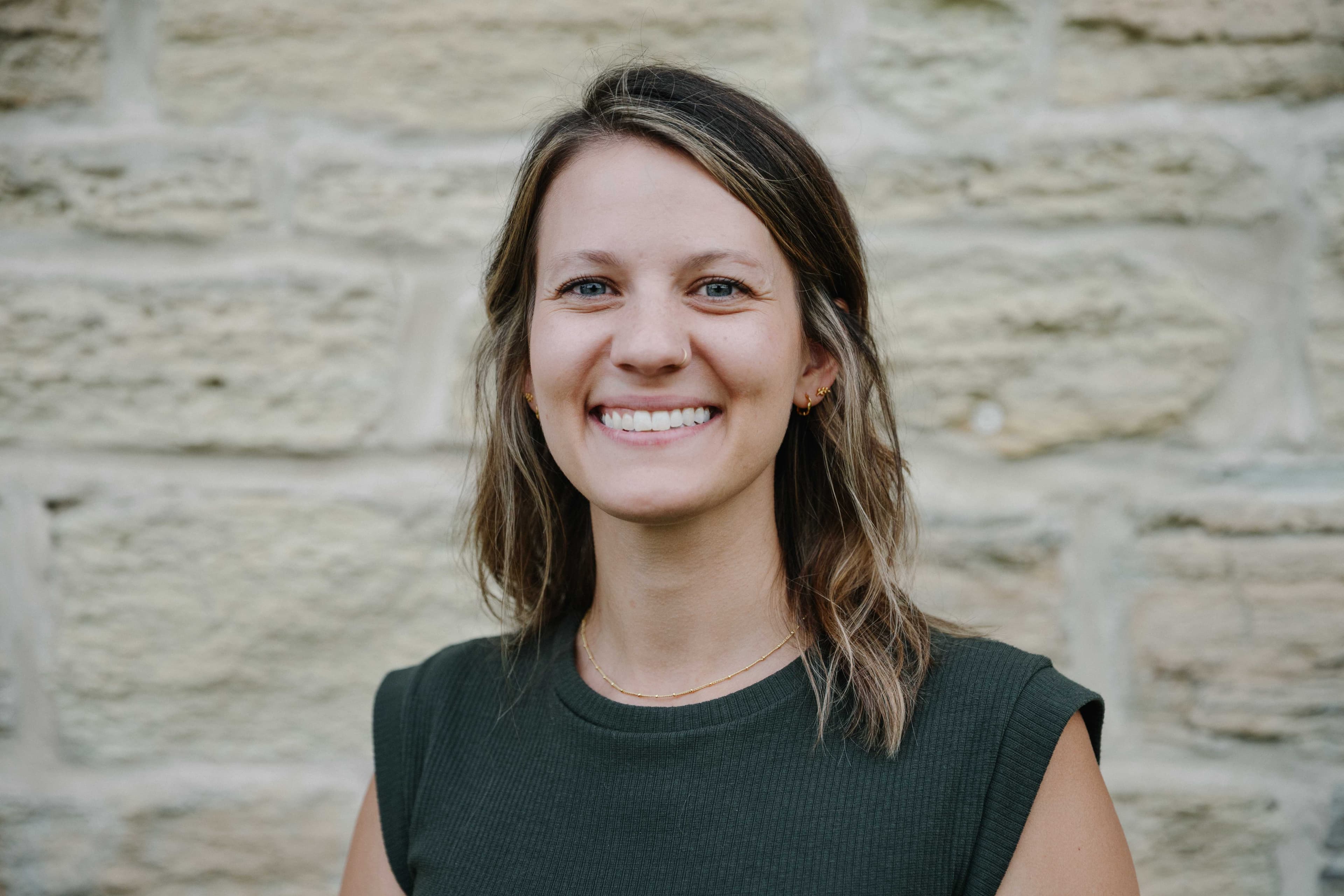
Sarah Stetina, MSN, CNM, APRN-FPA, MSCP
Sarah brings deep expertise in hormonal health and a whole-person approach to PCOS care — addressing not just the cycle, but the metabolic, emotional, and long-term health picture.

Maria Escamilla, DNP, CNM, APRN-FPA
Maria provides comprehensive, individualized PCOS care with a focus on helping clients understand their diagnosis, their options, and their bodies without being rushed through a checklist.
Your questions, answered
What is PCOS and how is it diagnosed?
Polycystic ovary syndrome is a hormonal condition characterized by a combination of irregular ovulation, elevated androgens (like testosterone), and in some cases polycystic-appearing ovaries on ultrasound. Diagnosis is based on the Rotterdam criteria, which requires two of three findings: irregular cycles, elevated androgens or symptoms of androgen excess, and polycystic ovaries on imaging. You do not need all three to be diagnosed, and you do not need to have cysts to have PCOS.
I was diagnosed with PCOS years ago but never received much guidance. Can you help?
Yes — and this is one of the most common situations we see. A PCOS diagnosis without follow-through leaves a lot of unanswered questions. We'll review your history, reassess where you are now, and build a care plan that actually addresses what you're dealing with.
Does PCOS affect fertility?
It can. PCOS is one of the most common causes of ovulatory infertility, but many women with PCOS conceive — with or without intervention. If fertility is a goal, we'll evaluate your specific picture, discuss what may or may not be standing in the way, and refer to reproductive endocrinology when appropriate.
Is birth control the only treatment for PCOS?
No. Hormonal contraception can help manage certain PCOS symptoms, but it is one tool among many, and it is not appropriate or desirable for everyone. Depending on your goals and symptoms, treatment might include lifestyle and nutritional interventions, insulin-sensitizing medications, evidence-based supplements, androgen-targeted therapy, cycle support, or a combination of approaches. We'll discuss all of your options.
What is insulin resistance and why does it matter with PCOS?
Many women with PCOS have some degree of insulin resistance, meaning their cells don't respond to insulin as efficiently as they should. This can affect weight, energy, cycle regularity, and long-term metabolic health. Addressing insulin resistance is often one of the most impactful things we can do for PCOS symptoms overall and for future health outcomes, and it's something many providers don't discuss in enough depth.
Can PCOS get better over time?
PCOS is a lifelong condition, but its symptoms and health implications can change significantly with age, lifestyle, and appropriate care. Some find that symptoms shift around perimenopause. Regular monitoring and proactive care make a meaningful difference in long-term outcomes.